Armrest vs Armless Dining Chairs: Key Differences
Dining chairs come in two main types: with armrests and without. Armrest chairs offer arm and back support. Armless chairs prioritise space. This choice affects comfort and fit around dining tables.
Armrest designs add width to each chair. Armless versions stay narrow. This matters in compact flats common in Jaipur. Solid wood builds both types, using oak, teak or walnut.
Armrest chairs suit longer sits over meals. Armless ones allow tighter seating for daily use. Check joint strength. Mortise-and-tenon joins hold under weight shifts when leaning back.
Experienced buyers flip chairs over. Look for clean dovetail or pegged joints in legs. Solid wood shows annual rings without voids. Weight the chair by lifting; heavy ones use thicker timber.
Comfort Benefits of Armrest Dining Chairs
Armrests let you rest arms while eating. This reduces strain during long dinners or family talks. Focus on armrest height. Ideal ones sit at elbow level when seated.
Solid wood chairs with arms feel sturdy under shifting weight. Teak or oak holds shape without creaking. Test seat depth. It should support full thighs, with space behind knees to avoid pinching. Looking for a furniture stores jaipur? Visit our C Scheme showroom in Jaipur to see the pieces in person.
For meals over an hour, armrest chairs prevent slouching. Angle armrests inward slightly to avoid crowding neighbours. Check backrest height. It should reach mid-back for lumbar support.
- Arm support eases long sits without fatigue.
- Back stability aids posture during talks.
- Suits solid wood dining table sets for balance.
- Reduces shoulder strain from holding utensils.
Pick chairs with contoured backs. They follow the spine’s S-shape from lumbar to shoulders. Wider seats allow thigh spread for relaxed legs. Feel seat firmness.
Armrest pros include better leverage to stand up, helpful for elders. Cons: wider profile blocks access in tight spots. Test rising from the chair; arms assist without wobbling.
Space Advantages of Armless Dining Chairs
Armless chairs slide under tables easily. They tuck in close to the apron. Measure the gap under the table apron first. Browse the full collection at Jaipur Furniture Store.
Armless chairs fit more around a rectangular dining table. Position four chairs snugly. Armless leave no wasted gap between seat and table. In small Jaipur kitchens, this adds elbow room for serving.
No arms mean less bulk overall. Chairs stack flat when not in use. Straight backs lean against walls without toppling. Rear legs splay slightly for stack grip. You may also find Dining Chair Armchair vs Armless Space Comparison useful.
- Slide under easily. Tapered legs clear aprons.
- Fit more seats. Narrow profile maximises capacity.
- Ideal for compact spaces. Stack or lean vertically.
- Clear walkways. No arm overhang snags clothes.
Armless designs wipe clean faster. Narrow footprints prevent table leg clashes during pulls. Check leg spacing. Wide-set legs avoid floor mat snags.
Practical for Jaipur: stack six armless chairs in a corner for guest nights. Tapered seats prevent nesting too tightly, easing separation. Look for models with rounded front edges to glide over tiles.
Aesthetics and Style in Dining Chair Designs
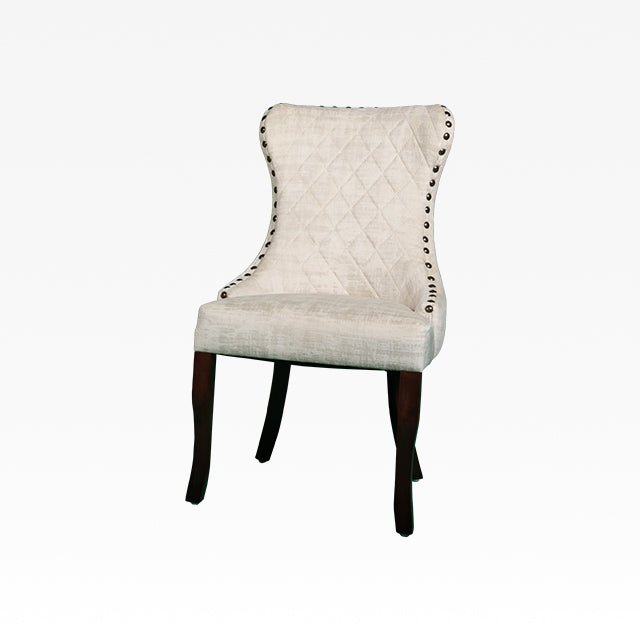
Chairs with arms look formal. Wide frames match luxury dining table sets. Carved armrests add texture without sharp edges. Smooth curves on oak evoke tradition.
Armless chairs appear sleek. Clean lines suit minimal rooms. Slatted backs create light flow and air circulation. Ladder-back designs stack neatly.
Armrest versions feel classic with turned legs. Armless lean contemporary with flat slats. Both use solid wood. Mix styles for unique looks, like arms at table ends.
Straight teak grain suits armless minimalism. Figured walnut elevates armrest formality. Matte finish on armless hides fingerprints from daily hands. Gloss on arms highlights curves and grain patterns.
Wooden dining chair designs vary. Spindle backs on armless add rhythm. Panel backs on armrests fill space solidly. Check leg-to-seat join; exposed tenons show craft. Balance proportions: seat width matches table scale. It is also worth reading Dining Chair Upholstered vs Non-Upholstered Cleaning.
Practical Tips for Choosing Dining Chairs
Match chairs to your table. Armrest suit larger tables with deep aprons. Armless fit compact sets under 1.5m wide. Seat height should match table height, typically 45cm seats for 75cm tables. Get in touch via our contact page.
Measure room size. Allow 60cm pull-out per chair. Test how chairs manoeuvre around corners. Sit for 10 minutes in eating position.
- Assess table size and apron depth.
- Check room layout and doorway widths.
- Feel wood quality. Press joints for give.
- Think about daily use: meals, guests, kids.
- Test stacking for armless in storage spots.
- Inspect under-seat bracing for twist resistance.
- Rock side-to-side; stable bases prevent tipping.
Wipe solid wood chairs with damp cloth weekly. Oil armrests yearly to renew teak lustre. Check screw tightness every six months; tighten with care. Armless clean faster under seats.
For comfort, press seat centre; rebound shows resilience. Lean on armrests; no creak means tight assembly. Space-savers have slim seats under 45cm wide.
Best Fit for Your Dining Space
Armrest chairs give comfort for relaxed meals. Best for open areas with 75cm+ gaps between chairs. Position with space for arm extension.
Armless chairs save room. Top choice for small homes under 10 sqm dining zones.
Trade-offs: comfort versus space. Armrest take 15-20cm extra width per chair. Armless skip support but gain flexibility. Mix armrest at ends for hosts, armless on sides.
In Jaipur flats, armless excel for balcony dining. Armrest suit larger C Scheme homes. Consider family size: growing kids need armless growth room.
Common questions
What is the difference between armrest and armless dining chairs?
Armrest chairs have side supports for arms. Armless lack them for narrow fit. Armrest add width and comfort. Armless stay slim. Both use solid wood like teak or oak.
Are armless dining chairs better for small spaces?
Yes. They slide under tables fully. Fit more around compact sets. Tapered fronts clear aprons. Stack for storage in Jaipur balconies. See more in Size guide coffee table Jaipur flat layouts.
Do armrest dining chairs provide more comfort?
Often yes. Arms rest easy during long meals. Back stays supported. Contoured arms prevent slip. Test elbow fit.
How to choose dining chairs for a Jaipur home?
Balance space and comfort. Match to table size. Armless for tight rooms with dust. Armrest for ease in larger spaces. Feel wood quality. Sit and lean back. Prioritise teak for humidity.
Can I mix armrest and armless chairs at a dining table?
Yes, if wood tones match. Head chair with arms for support, sides armless for tuck-in. Keeps visual flow and function.
How do I check dining chair comfort before buying?
Sit for 10 minutes. Shift positions. No pressure points mean good design. Feel seat firmness and back curve. Lean on arms if present.
What makes space saving dining chairs practical in Jaipur?
Narrow width tucks under tables fully. Stackable for Diwali guests. Easy wipe in dusty homes. Tapered legs navigate crowded floors.
How do armrest pros and cons affect daily use?
Pros: arm rest reduces fatigue, aids standing. Cons: extra width crowds tables, harder to store. Weigh long meals against space needs.
What defines wooden dining chair design quality?
Smooth grain without knots. Tight joints like mortise-tenon. Balanced proportions: seat aligns with spine. Teak or walnut shows fine figuring.
Why focus on dining chair comfort in Jaipur?
Long family meals demand support. Heat builds sweat; breathable backs and firm seats prevent discomfort. Test thigh support and back arch.
Solid wood dining chairs suit any home. Armrest or armless, they blend craft with need. Visit the C Scheme showroom to see options. Ask about a piece on WhatsApp or phone call.