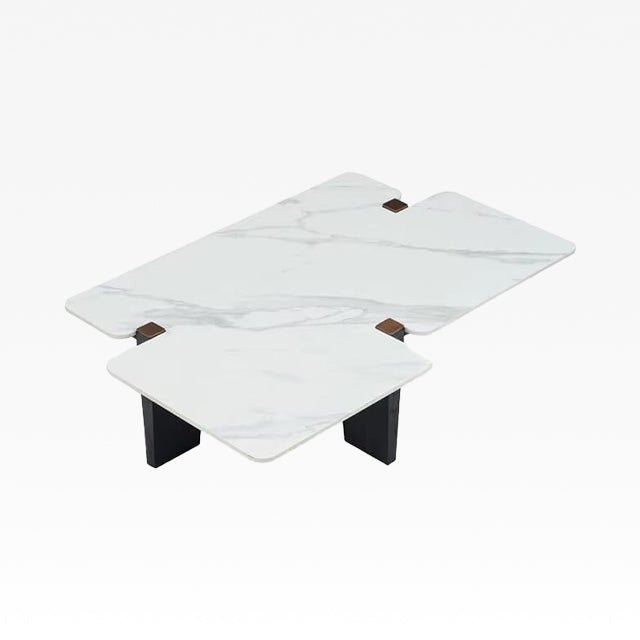
Solid wood and marble suit dining tables in Jaipur homes. Solid wood gives warmth with teak or oak grains. Marble adds elegance with veining. This comparison aids choice for daily use. Artisans blend traditional skills with modern touches. Check wood grain direction for stability. Feel marble veins for depth.
In Jaipur’s climate, both last if cared for. Solid wood suits families for longevity. Marble fits smaller spaces. Details follow on strength, looks and upkeep. Tip: Place tables away from direct windows to avoid sun fade on wood or heat cracks on marble.
Introduction to Dining Table Materials
Solid wood tables use oak, teak or walnut. These hardwoods shape into 4 seater or 6 seater sets. Marble slabs pair with metal or wood bases. Both appear in C Scheme stores. Tight growth rings in oak or teak mean denser wood for extendable leaves. Solid wood shows natural patterns. Marble has white or grey tones. Teak resists moisture.
For solid wood furniture in Jaipur, inspect table aprons for even joinery. Aprons add strength below the top. Look for straight seams without gaps. Oak wood tables show ray flecks under light – these indicate quarter-sawn boards that stay flatter. Teak offers oily surface that repels spills naturally.
Durability: Solid Wood vs Marble
Teak and oak endure meals and gatherings. Teak repels water. Oak takes scratches. Marble chips less from knocks but scratches from knives. Wood dents from impacts; marble etches from acids. Press nails into wood underside – teak resists more than pine. Solid wood breathes with humidity. Marble needs sealing against stains. Teak or oak outlasts with polish.
Strength in Daily Use
- Solid wood: Flexible, stable. Uniform colour shows even kiln-drying; warped boards twist.
- Marble: Rigid, heavy, resists heat. Clear ring when tapped means pure slabs.
Push table corners to test. Wood flexes back; marble stays flat but check base sway. For teak vs marble dining tables, teak flexes without cracking while marble stays rigid – ideal for hot chai pots. Test by placing weight on one corner; quality ones stay level. Looking for a near by furniture showroom? Visit our C Scheme showroom in Jaipur to see the pieces in person. Browse the full collection at Jaipur Furniture Store.
Aesthetics and Style Comparison
Wood grains add warmth. Teak has gold tones; oak lighter shades. Marble swirls suit luxury tables and reflect light in small flats. Wood blends craft with modern lines. Angle oak under light for ray flecks. Wood suits earthy Jaipur decor. Marble elevates minimalist spaces. Wood hides wear under polish; marble polishes to new.
For dining table sets, ensure chairs tuck fully under without scraping marble edges. Oak wood tables pair well with woven rush seats for breathability in humid weather. Luxury dining tables in marble show natural veining that catches afternoon light through balcony doors. Teak vs marble depends on room tone – teak warms north-facing spaces; marble brightens dim corners.
Maintenance and Care
Clean wood with damp cloth and mild soap. Wipe spills fast. Polish twice yearly with wax. Dust weekly for Jaipur dust. Marble wipes with soapy water, dry fully. Reseal yearly. Use heat pads. Rub teak oil along grains. Wood swells less if oiled. Marble shows wet glass rings. Spot-test polish on undersides. Use pH-neutral cleaners on marble.
Practical tip for solid wood furniture Jaipur style: Store extra leaves vertically against walls to prevent warping. For marble top dining tables, avoid dragging chairs – lift instead to protect veins. In rainy season, dry wood tables fully after wiping to stop mould in tight grains.
Which to Choose for Your Home?
Families pick wood for repairability. Marble suits small spaces for slim legs. Visit C Scheme for options like 4 seater rectangular tables. Wood aprons clear knees; marble needs overhang for elbows. 4 seater for apartments, 6 seater for gatherings. Test weight. Slide chairs – wood tracks if waxed; marble glides on coasters. Rounded oak edges suit kids. Test pedestal stability.
When buying a dining table set, sit at every chair to check balance – uneven legs wobble on Jaipur floors. For luxury dining tables, heft the top alone; solid ones resist flexing when tilted. Teak vs marble: Teak forgives daily knocks; marble demands care but gleams longer. You may also find Marble vs Wood Center Table Durability useful. Get in touch via our contact page.
Common questions
What are the main differences between solid wood and marble dining tables?
Wood flexes with weather, warms touch, shows grains. Marble stays hard, cools, veined. Wood repairs easier; marble cleans faster. Wood expands in monsoons – leave wall gaps. Marble contracts in heat – loose base fits prevent cracks. Solid wood dining table sets offer replaceable aprons if damaged; marble tops rarely need fixes if edges stay sealed.
Which is more durable, wood or marble for dining tables?
Wood lasts longer in variable climates. Teak and oak resist cracks. Marble endures heat but scratches. Press thumbs into wood – no give means strong joinery. Marble undersides show natural backing. In Jaipur dust, wood needs more wiping but resists swelling if oiled first.
How to choose between teak wood and marble top dining tables?
Teak for natural look and repair. Marble for sleek style and ease. Teak suits families; marble small homes. Smell teak for oily scent. Marble feels cold evenly. Teak handles Jaipur heat without warping; marble stays flat but check base rust in steam.
Are marble dining tables suitable for Indian homes?
Yes, if sealed. They handle spice stains and heat. Pair with wood bases. Use trivets for hot pans. Avoid citrus juices directly – test on edges first. In family dining table sets, marble tops hide curry splatters better than open wood grains.
What maintenance do solid wood dining tables need?
Dust weekly, wipe spills, oil quarterly. Avoid excess water. Sand oak scratches along grain, then oil. Tap wedges into loose teak joints. For oak wood tables, rub oil in circular motions to fill minor dents before polish sets. It is also worth reading Solid Wood or Marble Coffee Table.
How do I spot quality solid wood furniture Jaipur style?
Check end grains for tight patterns, no voids. Straight mortise-tenon joinery. Even finish. Hefty weight. No filler plugs in visible seams. Hold at angle – no rattles mean tight dovetails under aprons. Jaipur solid wood furniture often uses sheesham alternatives; tap for deep tone over thin plywood echo. See more in Pick Dining Table for Daily Family Use.
Best way to arrange a marble top dining table in small Jaipur flats?
Push against walls for walk space. Angle to windows. Pair with backless stools. Keep 60cm clearance for serving. Avoid rugs under legs to prevent slips on glossy floors. In tiny flats, choose rectangular marble over round to hug walls tightly.
Tips for buying a dining table set with oak wood table?
Match chair heights to clear knees. Test balance. Align oak grains. Check smooth extension slides. Sit with elbows out – aprons should not dig. For 6 seater dining table sets, extend fully; smooth action means waxed tracks. Oak wood table sets stay stable on hooks if hung briefly.
Why choose luxury dining table in teak vs marble?
Teak builds heirloom depth. Marble gives glamour. Teak hides marks; marble spotlights. Heft means no hollow echoes. Luxury teak shows hand-rubbed lustre on edges; marble luxury adds depth if backlit veins glow evenly. Teak suits carving details; marble pairs with brass inlays.
How to protect solid wood from Jaipur dust and monsoons?
Cover loosely. Elevate legs. Dust with horsehair brushes. Oil before rains. Wipe humidity drops promptly. Use silica packs under covers during monsoons. For oak vs teak, oak needs more oil; teak self-seals oily layers.
Ready to choose? Visit C Scheme stores to feel solid wood and marble dining tables in person. Press edges, tap surfaces, slide chairs – hands reveal build quality best.