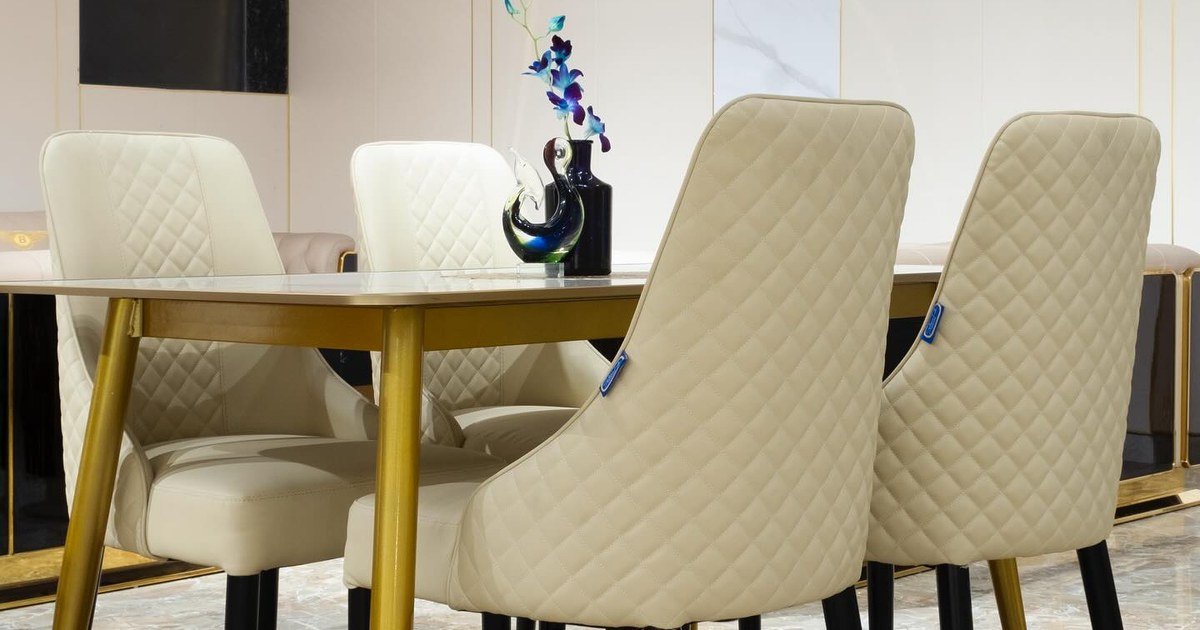
What Makes a Solid Wood Dining Table Right for Your Jaipur Home?
Solid wood dining tables suit Jaipur homes well. They stand up to scorching summers, dusty winds and daily thali spills. Local artisans craft these from oak, teak or walnut, woods that laugh at Rajasthan’s dry heat and sudden monsoons. A good table becomes the heart of family meals, where dhotis drape over sturdy legs without a wobble. Unlike flimsy imports that sag under pressure, solid wood breathes with seasonal changes. It expands and contracts naturally, avoiding the cracks that plague particle board in humid spells.
Think about your kitchen’s daily grind. Hot curries leave stains on lesser woods, but teak shrugs them off. Dust from scooter traffic settles but wipes clean from sealed surfaces. For homes in walled city lanes or new apartments in Vaishali Nagar, these tables handle jarring rhythms of life. Experienced buyers check for even grain first – straight lines mean stability. Jiggle the top; it should drum solidly, not drum hollow. Local timber depots source kiln-dried planks to prevent twisting in our climate. Pick a table that hugs your room’s corners without dominating, leaving space for kids to dart around.
Top Wood Choices: Oak, Teak and Walnut Explained
Oak’s pale grains lighten dim Jaipur mornings. Its tight fibres resist knife gouges from chopping garlic on the edge. Families with toddlers test it by dragging toys across – oak dings but rebounds. Rustic knots add character, blending with terracotta floors. In north-facing galis, oak fights mildew better than pine, which drinks monsoon rains and swells.
Teak rules humid kitchens. Its natural oils repel termites that feast on mango wood alternatives. Spills bead up like on a lotus leaf; wipe with vinegar for shine. Over years, it darkens to honey tones, deepening with masala stains. Artisans hand-plane surfaces smooth, feeling for even density. Test by pressing thumbnails into edges – teak yields little. For jalebi festivals, it won’t stain from sugary drips. Pair with brass trivets for authentic feel.
Walnut’s deep swirls mimic Jaisalmer stonework. Denser than rubberwood knock-offs, it withstands elbow leans during long gossip sessions. Check figuring: wild patterns hide defects, so seek straight quartersawn boards. It polishes to silk under tube lights, contrasting whitewashed walls. In air-conditioned drawing rooms, walnut stays put where laminate bubbles.
- Oak: Light grain, scratch-proof surface, casual vibe for everyday thalis.
- Teak: Oily heartwood, moisture-resistant, classic warmth that ages gracefully.
- Walnut: Deep hues, tight grain, elegant poise for dinner parties.
Match wood to light. Oak brightens dim kitchens near Sanganer airport. Teak glows under yellow bulbs in old havelis. Walnut demands south-facing windows. Sniff the wood: fresh sawdust means recent kiln, not musty storage. Rub a corner; genuine oils feel tacky, not dry. Looking for a biggest furniture showroom in jaipur? Visit our C Scheme showroom in Jaipur to see the pieces in person.
Key Sizes and Shapes for Indian Homes
Jaipur flats cramp spaces, so measure twice. A 4-seater rectangular table slips into galley kitchens, seating two adults and juniors without knees knocking. Leaves tuck under, expanding for Diwali dinner. Look for apron height that clears laps when sitting on low stools. Browse the full collection at Jaipur Furniture Store.
6-seaters balance apartments in Jawahar Circle. They fit six around sabzi bowls without elbows jabbering. Oval shapes soften corners for wheelchair access, unlike square ones that bruise hips. Test by walking around: no snagging on dupattas. Pedestal bases free legroom for crossed legs during chai breaks.
8-seaters command bungalows in Civil Lines. Round ones promote talk across dal bowls, unlike rectangles that isolate ends. Trestle bases stack for storage in off-seasons. Always eye-mould: feet should rest flat on uneven tiles without rocking. Solid wood 6 or 8 seater dining tables dominate Jaipur furniture store floors for their balance of form and function.
- 4 seater: Compact for couples, starters or breakfast nooks.
- 6 seater: Family gatherings, room to breathe.
- 8 seater: Festive crowds, generous elbow room.
How to Spot Quality Solid Wood Dining Tables
Start at the joints. Mortise-and-tenon interlocks like a camel’s hump, flexing without glue failure. Dovetails drawer-like drawers resist yanks from kids fishing for fallen pakoras. Nail use screams shortcuts; shun them. Heft the apron: heavy tells heartwood, not sapwood fluff. You may also find Oak, Teak or Walnut: Choosing Wood for a Dining Set useful.
Finishes seal fate. Polyurethane gleams but yellows; tung oil nourishes grain. Feel edges: sanded by hand, not machine burrs. Legs dovetail into stretchers for stability on terrazzo. Rock it diagonally – wobbles betray loose dowels. Grain symmetry: mismatched boards twist.
Tap test: knuckle rap yields bass thump, not tinny echo. Splinters at edges? Fresh pine. Janka hardness matters intuitively: press hard; oak dents less than poplar. Local artisans plane by eye, leaving facets that catch light evenly. Underside bracing prevents sagging under hot kadhai.
- Inspect grain: straight, even, no voids.
- Probe joints: snug, no gaps.
- Rock for stability on lumpy floors.
- Smell sap: fresh, not fungal.
Pairing Your Dining Table with Chairs and Decor
Wooden dining sets unify. Matching oak chairs hug table aprons perfectly, avoiding gaps for crumbs. Upholstered seats in durrie fabric cushion long dinnertimes. Mix walnut table with sheesham arms for contrast, but align heights – seat 45 cm from floor matches knee notch. Get in touch via our contact page.
Glass tops protect from haldi rings, but lift for cleaning. Marble insets echo pink city palaces. Cushions with block prints add jaipuri colour without clutter. Hang jali screens to diffuse harsh light, preventing wood bleach. Centre brass lotas for mandala symmetry.
Metal legs stabilise on vinyl mats. For 6-seater sets, ladderbacks support backs during after-meal naps. Clean with lemon-damp cloth; it cuts grease without stripping oils. It is also worth reading Dining Table Guide for Jaipur Homes.
Why Durable Dining Tables Matter in Jaipur
Durability starts with kiln-drying. Rajasthan’s 45-degree heat warps green wood; test by sighting down length for bow. Seasoned planks stay true through June dust storms. Termite oils in teak laugh at subterranean whites ants under homes. Spills test seals: water pools shouldn’t darken wood fibres.
Daily tests: stack plates without dent. Kids climb? Sturdy aprons hold. Monsoon humidity warps MDF; solid wood shrugs. Experienced buyers flip tables to check bracing – cross-braces mimic trusses, preventing sag over years of dhotis and spills.
Traditional Wood Furniture in Modern Jaipur Homes
Traditional techniques endure. Hand-turned legs echo Jaipur’s craft legacy. Hand-joined frames breathe better than factory clamps. Walnut mimics jharokha carvings, blending heritage with flat-screen backdrops. Visit stores for live demos: plane strokes reveal truth.
Common Questions
What is the best wood for dining table?
Teak for spills, oak for knocks, walnut for style. Test in your light. See more in Coffee Table Teak vs Walnut Durability.
How to choose 6 seater dining table?
Measure room minus walls. Allow chair pull-out space. Feel heft.
Solid wood vs veneer table?
Solid lasts; veneer blisters in heat.
Dining table care tips
Coasters for chai mugs. Mild soap weekly. Rotate placemats.
Jaipur homes thrive on durable wooden dining sets. Oak, teak, walnut tables fit life’s rigours. Sizes match spaces. Spot quality by touch and test. Pair thoughtfully.
Visit C Scheme showroom. WhatsApp or call to start.